


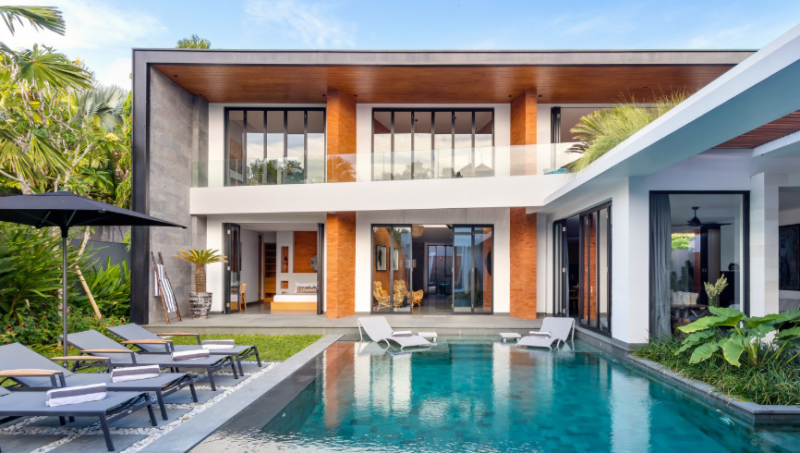
Booking a villa for an extended creative project requires a focused inspection checklist to avoid surprises mid way through production. A month stay magnifies small issues so take time to verify structure, services and on site procedures before cameras roll.
Conduct a walk through with the villa manager and document everything with dated photos and short video clips. Clear expectations on repairs delivery and access make the difference between a smooth shoot and constant interruptions.
Structure and condition Check floors walls ceilings and external terraces for cracks damp spots and loose fixtures; unresolved damage can interrupt set builds and equipment placement.
Electrical systems and power continuity Test all outlets lighting and switches and confirm circuit labeling and breaker access; arrange a verified backup generator or UPS for critical gear.
Water and plumbing Run taps showers and toilets at multiple times of day to confirm pressure hot water availability and drainage; for long shoots arrange a plan for tanker delivery if the area has intermittent supply.
Light control and window access Note window direction glare times and available blackout options and confirm window locks; create a lighting plan that accounts for sunrise and late afternoon changes.
Security and secure storage Verify door locks safe options and staff protocols and identify a dry climate controlled room for sensitive equipment; get written access rules for deliveries and crew movement.
Use your inspection notes to create a short contract addendum listing agreed repairs service windows and emergency contacts. A clear documented handover protects both the photographer and the villa and keeps the shoot on schedule.
Scheduling the inspection at least two weeks before arrival leaves time for remedial work and gives you confidence to focus on creative tasks once the month begins.
Assessing natural light, windows and blackout options
Natural light defines mood and workflow for a month long photographic project. Before you commit, perform a focused assessment that captures daily changes and practical control options. Documenting light behavior prevents wasted setup time and helps plan scenes for consistent results.
Map sun angles and daily light windows
Note which rooms get direct sun in the early morning mid day and late afternoon. Walk the property at representative times and mark areas that flare or lose detail during golden hour. Record reflections from pools white walls and shiny surfaces that may create unwanted hotspots.
Evaluate windows doors and surface materials
Measure window dimensions and sash types then check how they open and lock. Sliding doors often produce different light than casement windows and that affects reflector placement and grip needs.
Glass type and tinting
Identify single versus double glazed panes and any factory tinting that reduces color shift. Tinted glass can help reduce heat but may change white balance for interior work.
Window treatments and security
Inspect built in curtains shutters and lock mechanisms and confirm staff can operate them every day. Note whether curtain rails are sturdy enough to suspend temporary diffusion or flags.
Blackout options and practical fixes
Determine available full darkening options for night shoots and mid day control. Where full blackouts are absent plan low impact temporary solutions to avoid drilling or permanent alterations.
Temporary control methods
Use heavy blackout fabric magnetic bars and gaffer friendly clamps to block light without damage. Test seams and edges to ensure no light leaks reach critical framing areas.
When to request upgrades
If repeated control is essential arrange for rental curtains or professional installs at least two weeks before arrival so the villa can prepare.
Compile your findings into a one page brief for the villa manager and include photos so agreed changes are clear before the shoot begins.
Power, backup, and secure gear storage for a 30-day shoot
Reliable power and secure storage are non negotiable when you plan to shoot for a full month. Before signing confirm the villa provides stable 230V supply and ask for a brief electrical report from the manager showing circuit layout and recent inspection dates. Bring dated photos and meter readings so condition at move in is documented and any agreed upgrades are recorded.
Test every outlet and circuit by running camera chargers LED panels and laptop power bricks at the same time as air conditioning and kitchen appliances. Request a dedicated circuit for lighting and heavy draw equipment when possible. For sensitive devices insist on a 1500 VA uninterruptible power supply for routers and core camera systems and confirm where it will be plugged in. If you need continuous studio lighting plan for a backup generator sized to the expected load such as a 3 kVA unit for modest kits or a 5 kVA unit for larger lighting rigs and on set air conditioning.
Agree a clear generator protocol with the villa manager that covers automatic or manual transfer procedures fuel availability and maximum continuous run hours. Verify who will start the generator and how fast it can be refueled. Ask for labeled fuel storage away from guest areas and for evidence of recent maintenance and oil checks. Test a simulated outage at least once before equipment arrives to confirm switching times and audible noise levels within shooting areas.
Secure gear storage must be dry and lockable. Require a room with solid door lock and the option to add a temporary lockable metal cabinet. Keep humidity under 60 percent with a portable dehumidifier and silica packets for cases. Create an inventory with photos and stored receipts and arrange a daily access log supervised by villa staff. Share these requirements with your balivillahub.com contact so the villa can prepare and you can focus on creativity rather than logistics, and review monthly villa rent Bali options.
Logistics permits and neighbor permissions for commercial shoots
Securing clearances before a commercial shoot keeps production on schedule and preserves relationships with the local community. Start early and collect written confirmations so everyone knows the scope and timing of the project.
Permits and official approvals
Confirm whether the shoot classifies as commercial activity and which local offices handle approvals. Obtain a written consent from the property owner that explicitly permits commercial use and request any past permit records the villa may hold. Apply to the subdistrict or regency office for a film or commercial shooting permit and allow at least seven to fourteen days for processing depending on the locality.
For shoots that use public roads parking or drone operations notify the relevant municipal or police departments and secure their written permission. Keep copies of all approvals on site and maintain a single checklist of permit numbers and expiry dates.
Working with neighbors and the banjar
Engage the banjar or local community leaders early and schedule a short meeting to explain the shoot schedule expected crew size and any anticipated noise. Offer a clear point of contact and a modest goodwill contribution for larger disruptions such as reserved parking or temporary road closures.
Provide neighbors with firm start and finish times and a commitment to minimize loud activity during temple ceremonies or evening hours. Document the agreement in writing and ask community representatives to sign so there is mutual clarity.
Insurance documentation and on site rules
Require public liability insurance and equipment coverage for the duration of the booking and collect certificates before load in. Prepare a simple risk assessment that lists emergency exits medical contacts and fire extinguisher locations.
Agree on access rules for deliveries waste removal and staff movement and add these items to the villa handover sheet. Store all documents together and share them with your balivillahub.com contact so the villa and crew have the same expectations.
Finalizing permits neighbor agreements and insurance in writing reduces delays and protects your production throughout the thirty day booking.
Crew accommodation, workspace and daily service needs
Plan crew lodging with clear room assignments and private bathroom access to reduce daily friction. For a typical small production provide one private room for the director or lead photographer and assign two crew members per twin room at most. Confirm laundry service available twice weekly and a separate drying area for wet camera bags. Ask the villa manager to reserve at least two secure parking spaces near the property entrance for rental vehicles and a single covered spot for generator or equipment drop off.
Require a labeled key policy and a staff access log so deliveries and late returns are documented. If children or senior crew are present request ground floor rooms and a first aid kit kept in the kitchen area.
Designate a primary workspace with a solid table suitable for editing stations and a seating plan for up to four people. Insist on hardwired ethernet access in the workroom and a minimum measured internet speed of 50 megabits per second upload to support cloud backups and file transfers. Provide surge protectors and a UPS for critical drives and routers and agree a daily housekeeping window that avoids editing hours. Arrange meal service windows or a simple in villa catering plan to feed crew on set and confirm trash pickup times to prevent scent and pests near sensitive gear. Share these requirements with your balivillahub.com contact so the villa can prepare before the crew arrives.
